How to Create a Personal Budget That Works
Introduction
Creating a personal budget is an essential skill that can lead to financial stability and peace of mind. Whether you’re aiming to save for a vacation, pay off debt, or simply manage your monthly expenses better, a well-structured budget can help you achieve your financial goals. In this article, we will explore practical steps to create a personal budget that works for you, as well as tips for maintaining it effectively.
Understanding the Basics of Budgeting
Budgeting involves tracking your income and expenses to ensure that you live within your means. This process allows you to see where your money goes and helps you make informed financial decisions. Here are some key concepts to understand:
- Income: All sources of money you receive regularly.
- Fixed Expenses: Regular bills that don’t change, such as rent or mortgage payments.
- Variable Expenses: Costs that fluctuate monthly, like groceries and entertainment.
- Savings: Money set aside for future use or emergencies.
Steps to Create Your Personal Budget
1. Assess Your Income
The first step in creating a personal budget is to determine your total income. Include all sources of income, such as salary, side gigs, and any passive income streams. This will give you a clear starting point for your budget.
2. Track Your Expenses
Next, track your monthly expenses. This includes both fixed and variable expenses. Use a budgeting tool or a simple spreadsheet to categorize your spending. Review your bank statements and credit card bills to ensure you capture all your expenses accurately.
3. Set Financial Goals
Identify what you want to achieve financially. Your goals can be short-term, like saving for a new phone, or long-term, like building a retirement fund. Setting specific, measurable, achievable, relevant, and time-bound (SMART) goals will help you stay focused.
4. Create Your Budget
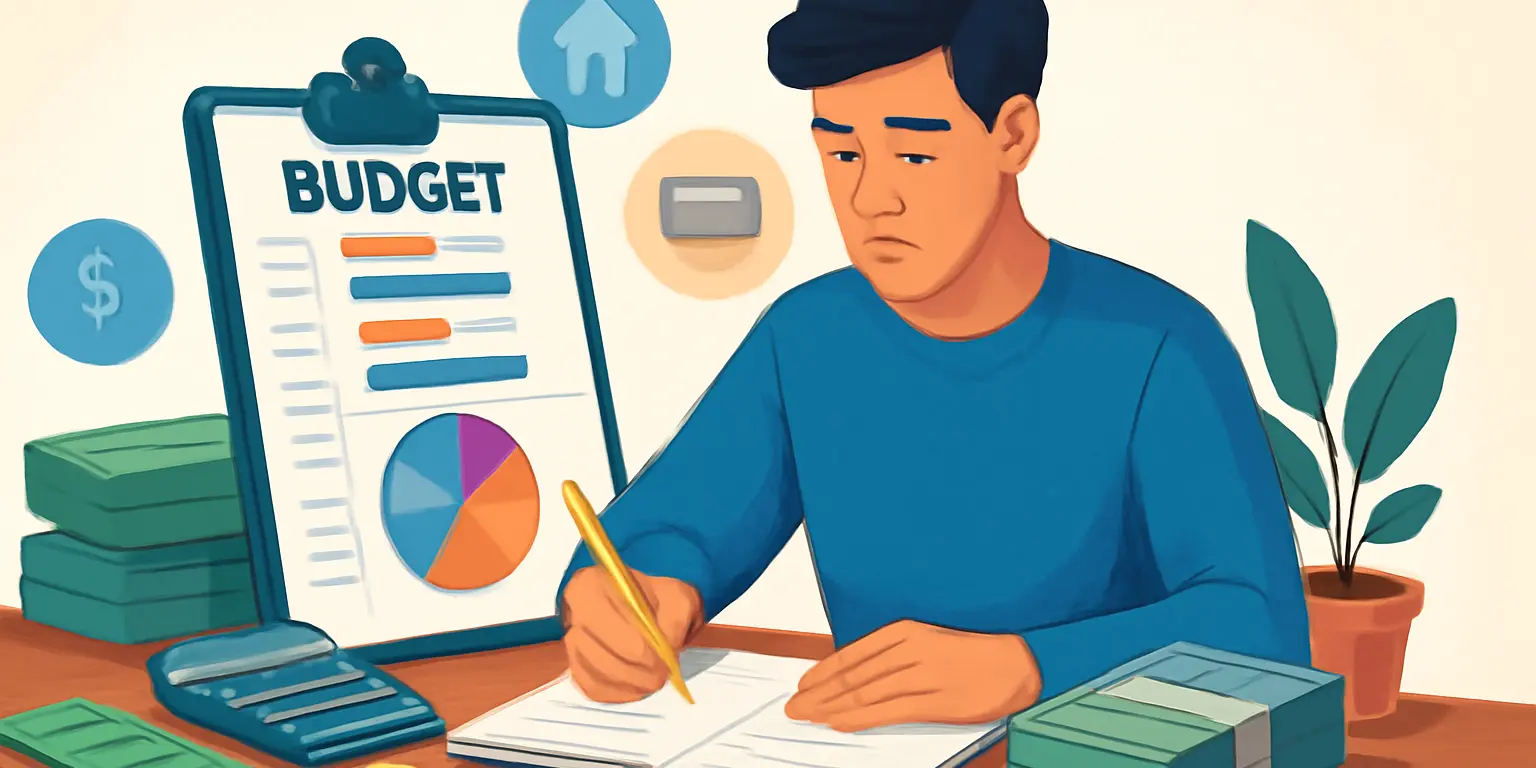
With your income and expenses laid out, it’s time to create your budget. Allocate funds for each category, ensuring that your total expenses do not exceed your income. A common method is the 50/30/20 rule:
- 50% for needs (housing, food, transportation)
- 30% for wants (dining out, hobbies)
- 20% for savings and debt repayment
5. Monitor and Adjust Your Budget
Once your budget is in place, monitor it regularly. Review your spending each month to see if you are sticking to your plan. If you find that certain categories are consistently overspent, adjust your budget accordingly. Flexibility is key to successful budgeting.
Common Budgeting Mistakes to Avoid
- Not Being Realistic: Setting overly ambitious goals can lead to frustration.
- Ignoring Irregular Expenses: Failing to account for annual expenses, like insurance premiums, can disrupt your budget.
- Neglecting to Update Your Budget: Life changes, and so should your budget. Regularly reassess your financial situation.
Benefits of Having a Personal Budget
A personal budget provides numerous benefits, including:
- Improved Financial Awareness: You become more aware of your spending habits.
- Better Control Over Finances: A budget helps you prioritize spending and savings.
- Reduced Financial Stress: Knowing where your money goes can reduce anxiety.
- Achievement of Financial Goals: A budget keeps you focused on your financial objectives.
Conclusion
Creating a personal budget is a vital step towards financial independence and security. By assessing your income, tracking your expenses, setting financial goals, and regularly monitoring your budget, you can develop a financial plan that works for you. Avoid common pitfalls and embrace the benefits of budgeting to enhance your financial well-being. Remember, the key to successful budgeting is consistency and adaptability. Start today and take control of your financial future!